
Path to Home
From the first quiet call to keys in your hand.
You do not need perfect credit, a clean rental history, or the courage to explain your hardest year. You need a home. Here is exactly how that happens with us.
Five steps
Nothing hidden, nothing rushed.
- 01
Reach out privately
Call, text, or send the short form. Share only what you are comfortable sharing — no documentation required to start the conversation.
- 02
A quiet conversation
One of our housing coordinators listens: household size, accessibility and sensory needs, safety concerns, school and work location, timing.
- 03
Matched to a haven
We match you to an available home that fits your needs, or place you on our short list and tell you honestly what the wait looks like.
- 04
Walk through together
See the home at your pace. Ask anything. Bring an advocate, caseworker, or family member — we welcome them.
- 05
Move in with support
Simple plain-language agreement, keys, and a warm handoff to resources. Your coordinator stays reachable long after move-in day.
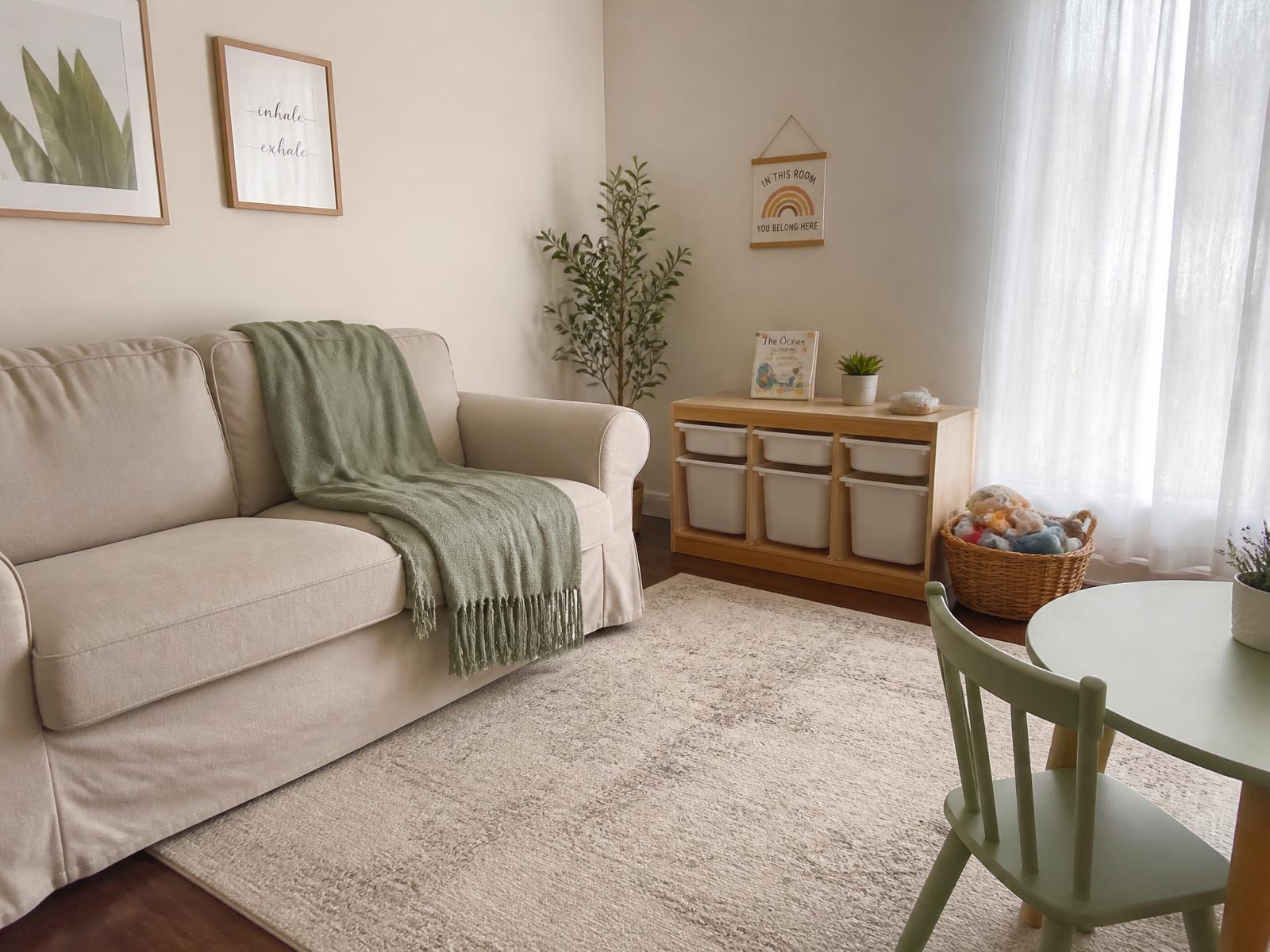
No-Judgment Housing
- No credit checks
- No background screens
- No eviction history questions
- No rental-history minimums
- No shaming, ever
- No pressure to share your story
Who our Safe Havens are built for.
Neurodivergent families
Sensory-aware layouts, quiet rooms, predictable routines, and landlords who understand autism, ADHD, and developmental disability — not landlords who fear them.
Domestic violence survivors
Confidential placement, secure doors and lighting, and a move-in process that never asks a survivor to relive what happened to get a key.
Families turned away elsewhere
Eviction history, thin credit, a record, or a rough year does not disqualify you here. We look at where you are going, not only where you have been.
Start your Path to Home.
Send the form, or call and ask for the housing team. If you are not ready to talk yet, our Support & Resources page has hotlines and partners you can reach today.
Support & Resources